
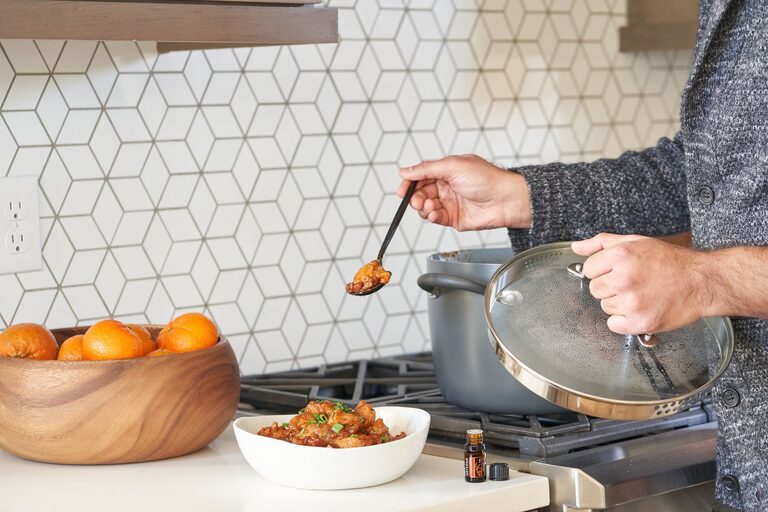
A slow cooker is one of the easiest kitchen appliances for preparing warm, flavorful meals with minimal hands-on work. It gently cooks food over several hours, making it useful for soups, stews, beans, shredded meat, vegetables, and many other dishes.
Whether you have just bought your first slow cooker or want to use one more confidently, this beginner guide covers the basics, from choosing ingredients to serving and cleaning your meal.
What Is a Slow Cooker?
A slow cooker is an electric appliance with three main parts:
– An outer heating base
– A removable cooking insert, usually made of ceramic or metal
– A lid that helps keep heat and moisture inside
Most slow cookers have two or three heat settings:
– Low: Best for long cooking times and tender results
– High: Useful when you have less time
– Warm: Keeps cooked food warm for a limited period
Slow cookers work by heating food gradually. The sealed lid traps steam, which helps prevent food from drying out and allows tough ingredients to become tender.
Choosing the Right Slow Cooker
Slow cookers come in several sizes. Choose one based on how many people you usually serve and the types of meals you want to make.
– Small, 1.5- to 3-quart models: Good for dips, sauces, side dishes, and one or two servings
– Medium, 4- to 5-quart models: Suitable for small families and many everyday recipes
– Large, 6- to 8-quart models: Useful for larger households, batch cooking, and whole cuts of meat
A slow cooker works best when it is filled about halfway to two-thirds full. If it is too empty, food may cook too quickly. If it is overfilled, the food may not cook evenly.
Look for a model with a removable insert, clear temperature settings, and sturdy handles. Some newer models also include timers or inserts that can be used on the stovetop, but these features are optional.
Prepare Ingredients Before Cooking
A few minutes of preparation can make a noticeable difference in the final meal.
Cut Ingredients Evenly
Cut vegetables and meat into similar-sized pieces so they cook at a similar rate. Dense vegetables, such as carrots and potatoes, usually take longer to soften than tender vegetables.
Place firm vegetables near the bottom of the cooker, where they are closest to the heat. Add meat on top of or among the vegetables.
Brown Meat When Desired
You do not have to brown meat before adding it to a slow cooker, but doing so can improve its color and add a richer flavor. Brown meat in a skillet first, then transfer it to the slow cooker.
Remove excess grease from the skillet before adding any flavorful browned bits to the cooking liquid.
Use Frozen Ingredients Carefully
Do not place frozen meat directly into a slow cooker. It may spend too long warming through, which can create an unsafe cooking environment. Thaw meat in the refrigerator before using it.
Frozen vegetables can usually be added to many slow cooker recipes, although they may release extra water and slightly change the cooking time.
How to Layer Ingredients
The order of ingredients can affect how evenly everything cooks.
A common layering method is:
- Add firm vegetables to the bottom.
- Place meat or other main ingredients on top.
- Pour in broth, sauce, or another cooking liquid.
- Add delicate ingredients closer to the end of cooking.
Do not add more liquid than the recipe calls for. Slow cookers lose very little moisture during cooking, so extra liquid can create a thin sauce or watery soup. As a general rule, ingredients should not be completely submerged unless the recipe specifically requires it.
Understanding Cooking Times
Recipes often provide times for both low and high settings. Cooking on low usually takes about twice as long as cooking on high, but the exact time depends on the recipe, the size of the ingredients, and the slow cooker model.
Use the recipe as a starting point, then check for doneness based on texture and temperature. Meat should be tender, vegetables should be soft enough to pierce with a fork, and soups or sauces should be fully heated.
Avoid switching repeatedly between low and high settings. Each time the lid is removed or the setting changes, cooking may take longer.
Avoid Opening the Lid
It can be tempting to check your meal, but lifting the lid allows heat to escape. The cooker may need additional time to return to its cooking temperature.
If you need to stir, add ingredients, or check progress, do so quickly and replace the lid immediately. Many recipes can cook successfully without stirring at all.
Ingredients to Add Later
Some ingredients are best added during the final part of cooking.
Add these near the end when possible:
– Dairy products, which may separate during long cooking
– Fresh herbs, which can lose their flavor
– Pasta and rice, which may become too soft
– Seafood, which usually cooks quickly
– Delicate vegetables, such as peas or spinach
For a thicker sauce, remove the lid during the final 20 to 30 minutes, if your recipe allows. You can also stir in a small amount of cornstarch mixed with cold water, then continue cooking until the sauce thickens.
Food Safety Tips
Safe handling is important when using a slow cooker.
– Start with clean hands, utensils, and cooking surfaces.
– Thaw meat in the refrigerator rather than on the counter.
– Keep the lid on during cooking as much as possible.
– Follow the cooking time in the recipe and check that meat is fully cooked.
– Do not use a slow cooker to reheat leftovers. Reheat food quickly on the stove, in the oven, or in a microwave, then transfer it to the slow cooker to keep warm.
– Refrigerate leftovers within two hours of serving.
– Store leftovers in shallow containers so they cool more quickly.
– Use refrigerated leftovers within a few days or freeze them for longer storage.
If your slow cooker has a warm setting, use it only for keeping already-cooked food warm, not for cooking raw ingredients.
Easy Beginner Meal Ideas
Once you understand the basics, try simple recipes with a small number of ingredients.
Vegetable Soup
Add chopped carrots, potatoes, celery, onions, canned tomatoes, broth, and seasonings. Cook until the vegetables are tender, then adjust the seasoning before serving.
Pulled Chicken
Place thawed chicken breasts or thighs in the slow cooker with a small amount of broth and your favorite sauce. Cook until tender, shred with two forks, and return the meat to the sauce.
Beef and Vegetable Stew
Combine beef chunks, potatoes, carrots, onions, broth, and seasonings. Browning the beef first adds extra flavor, but it is optional.
Slow Cooker Beans
Dried beans can be cooked with vegetables, herbs, and broth. Check the package instructions and use a recipe designed for slow cooking, as preparation requirements can vary by bean type.
Cleaning and Care
Unplug the slow cooker and allow it to cool before cleaning. Remove the insert and wash it with warm, soapy water. Many inserts and lids are dishwasher-safe, but check the manufacturer’s instructions first.
Do not immerse the heating base in water. Wipe it with a damp cloth instead. Avoid sudden temperature changes, such as placing a hot ceramic insert in cold water, because the material may crack.
Final Tips for Success
For reliable slow cooker meals:
– Read the entire recipe before starting.
– Prepare and measure ingredients in advance.
– Keep the cooker between half and two-thirds full.
– Put firm vegetables near the bottom.
– Use less liquid than you would in a stovetop recipe.
– Add delicate ingredients near the end.
– Avoid opening the lid unnecessarily.
– Let the meal rest briefly before serving when appropriate.
With a little practice, a slow cooker can make everyday cooking simpler. Start with familiar ingredients, follow a tested recipe, and take notes about how your particular appliance cooks. Soon, you will be able to create convenient, comforting meals with very little last-minute work.