
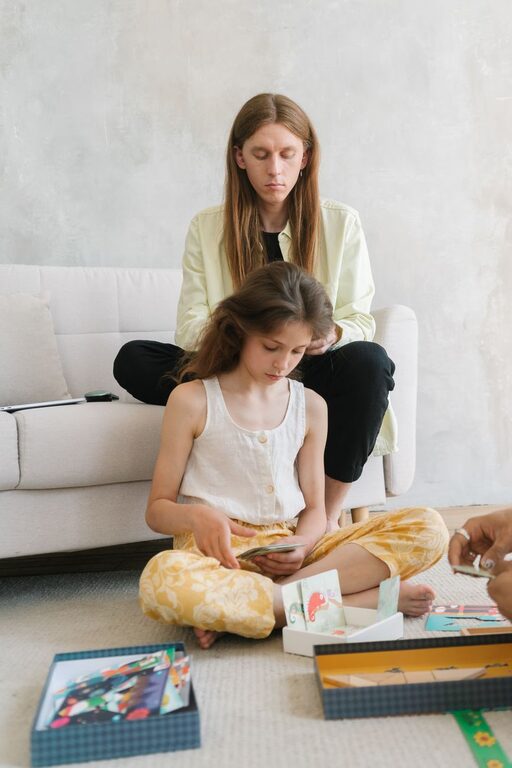
Why Plan a Family Game Night?
A family game night is a simple way to spend quality time together without leaving home. It gives everyone a chance to put away screens, share a few laughs, and enjoy friendly competition. The best part is that you do not need a large collection of games or an elaborate setup. With a little planning, everyday items and a few favorite activities can create a memorable evening.
Game night can also become a regular family tradition. Choose one evening each week or month, and invite everyone to help decide the games, snacks, and theme. Keeping the event relaxed and flexible will help family members of different ages enjoy the experience.
Choose Games for Everyone
The easiest way to plan a successful game night is to offer a mix of activities. Consider the ages, interests, and attention spans of the people playing. A combination of quick games and longer options helps keep the evening moving.
Classic Board and Card Games
Board games and card games are reliable choices because they are easy to explain and often encourage conversation. Depending on your family, you might try:
- Simple matching or memory games for younger children
- Word games that encourage spelling and vocabulary
- Strategy games for older children and adults
- Classic card games with easy-to-follow rules
- Trivia games based on family-friendly topics
Before starting, explain the rules clearly and consider playing a practice round. If a game is too difficult or takes too long, switch to another one rather than letting frustration take over.
Active Indoor Games
Not every game has to happen around a table. Active games are useful when children need to move around or when the family wants a break between board games.
Try a living room scavenger hunt, a balloon toss, or a simple indoor obstacle course. You can also play charades, where players act out an animal, activity, or familiar object without speaking. For a quieter option, organize a drawing challenge in which players sketch a topic and everyone guesses what it is.
Make sure the play area is clear of objects that could cause someone to trip. Set boundaries for running and jumping so the activity stays safe and enjoyable.
Create a Fun Theme
A theme can make an ordinary game night feel like a special event. It does not need to be complicated or expensive. Choose a theme that matches the games and snacks you already have at home.
Here are a few ideas:
- Family tournament: Keep track of points across several short games.
- Camping night: Build a blanket fort, use sleeping bags, and play flashlight-friendly games.
- Movie character night: Dress up as favorite characters and include themed trivia.
- Game show night: Create teams and ask questions with simple homemade scorecards.
- Color night: Choose a color for decorations, clothing, and snacks.
- Travel night: Pick a country or region and play games inspired by that place.
Invite family members to contribute ideas. Children may enjoy creating signs, scorecards, or decorations, while adults can organize the schedule and prepare the room.
Set Up a Comfortable Game Area
A comfortable space can make the evening feel more organized. Clear a table or arrange cushions on the floor, depending on the games you plan to play. Make sure everyone can see the board, cards, or activity area.
Keep commonly used items nearby, such as pencils, paper, a timer, and a small container for game pieces. If you are playing several games, place each one in a separate area so setup and cleanup are easier.
You can also create a simple scorekeeper station. Use a whiteboard, notebook, or sheet of paper to record points. Remember that the score should add excitement, not create pressure. Consider giving playful awards such as “best team spirit,” “most creative answer,” or “kindest player.”
Serve Easy Family Friendly Snacks
Snacks are an important part of the atmosphere, but they should be easy to eat and simple to clean up. Choose foods that do not require much preparation and can be served in small portions.
Good options include:
- Fresh fruit or vegetable slices
- Popcorn in individual cups
- Crackers and cheese
- Mini sandwiches or wraps
- Yogurt cups or homemade trail mix
- Cookies or small pieces of fruit for dessert
Use cups with lids for drinks if games will be played near the snack table. Serving food before or after a game can help protect cards and game boards from spills. If family members have food preferences or allergies, plan a few choices so everyone has something to enjoy.
Make Game Night Inclusive
A family game night works best when everyone feels welcome. Younger children may need help reading cards, counting spaces, or remembering rules. Older children can take on helpful roles, such as explaining the game or keeping score.
For games with teams, mix ages so that no one feels left out. You can also adjust the rules to match the group. For example, give younger players extra time, allow hints, or shorten the game into smaller rounds.
Avoid focusing only on winning. Encourage players to listen, take turns, and congratulate one another. If someone becomes frustrated, offer a short break or switch to a cooperative game where everyone works toward the same goal.
Try Cooperative Games
Competitive games can be exciting, but cooperative activities help the family work together. In a cooperative game, everyone shares the same goal instead of playing against one another.
You can create a homemade mystery, solve a puzzle as a team, or complete a timed building challenge with blocks or recycled materials. Another idea is a family storytelling game. One person begins a story with a sentence, and each player adds another sentence until the group reaches an ending.
Cooperative games are especially useful when family members have different skill levels. They encourage communication and make the evening feel like a shared project.
Plan a Simple Schedule
A flexible schedule helps prevent the night from becoming disorganized. Start with a short, easy game to get everyone involved. Follow it with a longer favorite, then add a snack break or active activity.
A sample schedule might look like this:
- Welcome everyone and explain the theme.
- Play a quick warm-up game.
- Serve snacks and choose teams.
- Play one longer board or card game.
- Take a movement break.
- Finish with a creative or cooperative activity.
There is no need to complete every planned activity. If everyone is enjoying one game, continue playing. The goal is to spend time together, not to follow a strict timetable.
End With a Family Tradition
Finish the evening with a small tradition that everyone can look forward to. Take a group photo, choose the next game night theme, or let each person share a favorite moment. You could also keep a family game night journal and write down the games you played and the funniest memories from the evening.
With simple games, welcoming rules, and a relaxed atmosphere, family game night can become one of the easiest and most enjoyable traditions at home.