
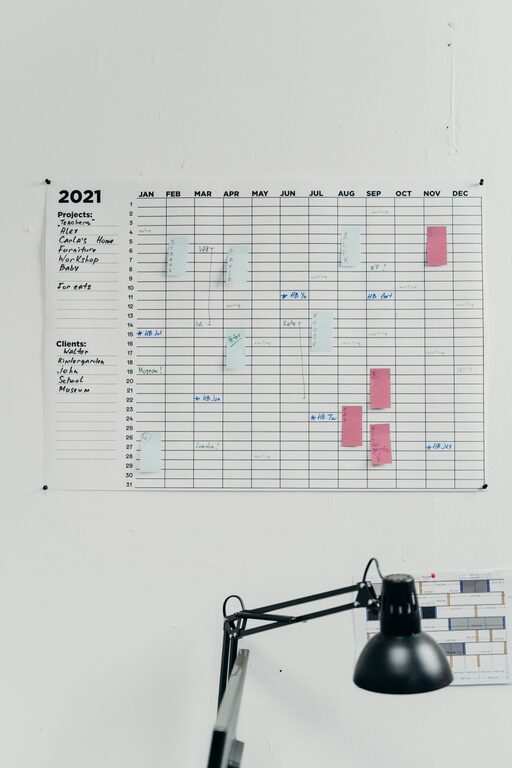
A family command center is a dedicated spot where your household can manage schedules, reminders, papers, keys, and other daily essentials. It does not need to be large or expensive. With a few practical tools and a little planning, you can create a central location that helps everyone stay informed and organized.
The best command center fits your family’s routines. It may be placed in the kitchen, near the garage, in a mudroom, or beside the main entrance. The goal is to make important information easy to see and frequently used items easy to reach.
Choose the Right Location
Start by observing where your family naturally gathers and where daily tasks take place. A command center works best in a high-traffic area that household members pass often.
Good location options include:
– A wall near the kitchen
– An entryway or mudroom
– A space beside the garage door
– A hallway near the bedrooms
– A home office or homework area
Choose a location with enough wall or counter space for the items you plan to include. Make sure the area has good lighting and does not block doors, walkways, or safety equipment.
Accessibility matters as well. If children need to check the family calendar or place papers in a folder, position those items at a comfortable height.
Decide What Your Family Needs
Before buying supplies, make a list of the tasks your command center should support. Every family will need something different.
Consider whether you need space for:
– A shared calendar
– School and activity papers
– Incoming and outgoing mail
– Keys and sunglasses
– Lunch containers or water bottles
– Grocery lists
– Chore reminders
– Important contact information
– Permission forms
– Household notes
Avoid adding items simply because they look useful in pictures or online examples. A command center should solve real problems. If your family rarely uses a paper calendar, a small monthly board may be enough. If school papers are a daily challenge, focus on file storage instead.
Add a Family Calendar
A shared calendar is often the most important part of a command center. It gives everyone a quick view of appointments, school activities, work commitments, birthdays, and other events.
You can use:
– A paper calendar
– A dry-erase monthly board
– A chalkboard calendar
– A digital calendar displayed on a tablet
– A combination of paper and digital tools
Assign each family member a color to make the calendar easier to read. For example, one color can represent school events, another can represent work, and another can represent appointments.
Keep calendar entries short and clear. Include the event, time, location, and any important preparation details. Instead of writing only “soccer,” write “Soccer, 5:30 p.m., community field, bring water.”
Set a regular time to update the calendar. A weekly review on Sunday evening can help your family prepare for the days ahead.
Create a Paper Management System
Paper can quickly take over a household, especially when children bring home school notices, forms, artwork, and assignments. A simple filing system can keep papers visible without allowing them to spread across counters and tables.
Try using labeled folders or wall pockets such as:
– To Do
– To Sign
– To Return
– School Information
– Activities
– Keep
Each family member can have a labeled folder. Another option is to use one folder for each type of task.
Keep the system simple enough for everyone to use. When papers enter the house, decide where they belong right away. Forms that need attention go in the “To Do” or “To Sign” folder. Completed papers can be moved to a return folder or filed for future reference.
Set aside time each week to clear out old papers. Recycle outdated notices and move important documents to a more permanent storage location.
Include Storage for Everyday Items
A command center can also reduce the time spent searching for small essentials. Add storage for items that are often misplaced as your family leaves or returns home.
Useful additions include:
– Hooks for keys
– A tray for wallets and sunglasses
– Baskets for hats and gloves
– A mail sorter
– A basket for reusable shopping bags
– A charging station
– Small bins for each family member
Use labels when they make the system easier to understand. Open baskets and hooks are often more practical than closed storage because they make items quick to put away.
Avoid overcrowding the area. If the command center becomes a catchall for every object in the house, it will be harder to maintain. Keep only frequently used items in this space.
Set Up a Meal Planning Area
Meal planning can be another helpful part of a family command center. A small dry-erase board can display the week’s meals, while a nearby notepad can hold grocery items.
A basic meal planning section might include:
– Weekly dinner ideas
– A grocery list
– A list of family favorites
– Notes about school lunches
– A space for meal requests
You do not need to plan every meal in detail. Even listing a few dinner options can reduce last-minute decisions. Leave room for changes so the system remains flexible.
If several family members add items to the grocery list, choose a consistent place for the list. A magnetic pad on the refrigerator or a shared digital list can work well.
Make It Easy for Children to Use
Children are more likely to use the command center when it is clear, accessible, and connected to their responsibilities. Give them specific areas for backpacks, school papers, activity equipment, or daily reminders.
You might include:
– A hook for each backpack
– A folder for each child
– A visual morning checklist
– A space for chore reminders
– A basket for library books
– A small whiteboard for notes
Use simple words and easy-to-recognize symbols for younger children. Older children can help update the calendar, check folders, and maintain their own storage areas.
Teach each household member what belongs in the command center and when items should be handled. A system works best when everyone understands the routine.
Keep the Design Simple
Your command center does not have to match a particular style. It can be practical, decorative, or a combination of both. Use colors, frames, labels, and materials that fit your home.
Start with a few essential pieces instead of trying to build the entire system at once. For example, begin with a calendar, a paper tray, and key hooks. After using the space for a week or two, you will know what is missing.
Consider these design tips:
– Use vertical wall space when possible
– Choose durable materials
– Keep frequently used items within reach
– Leave some open space for future needs
– Match labels and containers for a tidy appearance
– Avoid placing too many signs or notes in one area
A clean, uncluttered design makes important information easier to notice.
Create a Maintenance Routine
Even the best command center will become cluttered without regular attention. Build maintenance into your weekly routine.
Once or twice a week:
- Review the calendar.
- Remove expired reminders.
- Sort incoming papers.
- Return items to their assigned spots.
- Update the grocery list.
- Empty mail and paper trays.
- Check whether the system still fits your family’s needs.
As schedules change, your command center may need to change too. A system that works during the school year may need fewer paper folders during the summer. Review the setup every few months and remove anything that no longer serves a purpose.
The goal is not to create a perfect display. It is to make everyday information and essentials easier to manage. By choosing a convenient location, using simple storage, and giving each item a clear home, you can create a family command center that supports smoother routines for everyone.